Product Overview
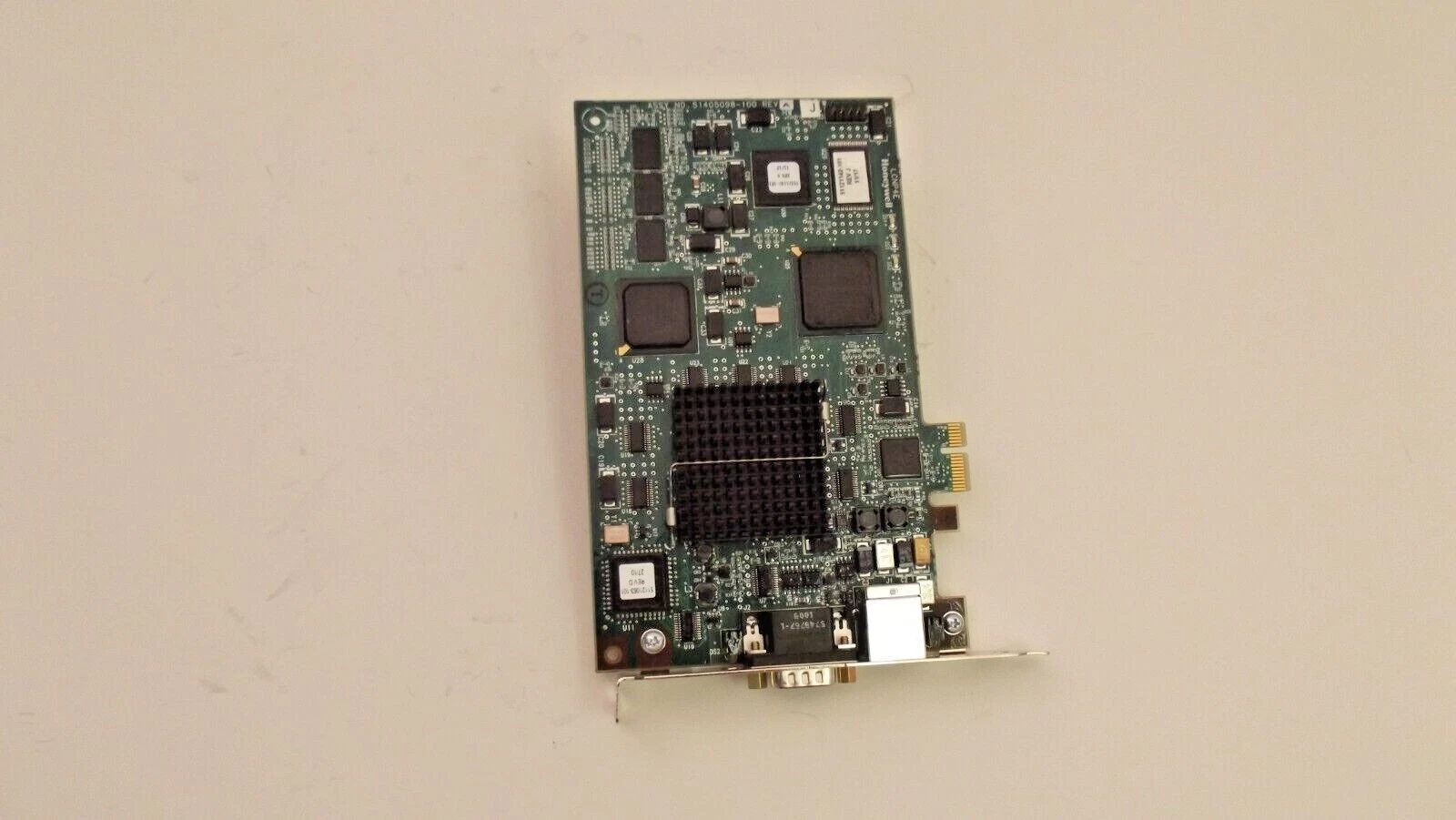
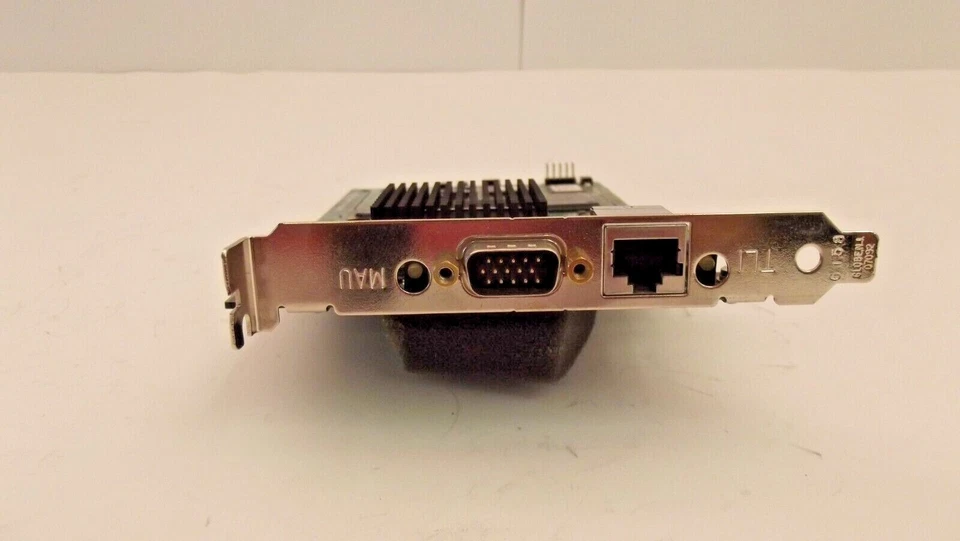
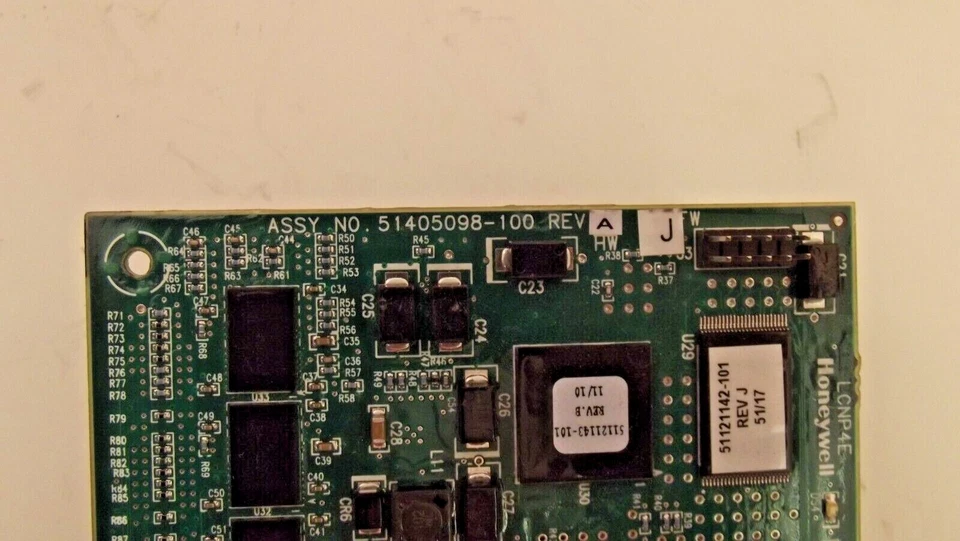
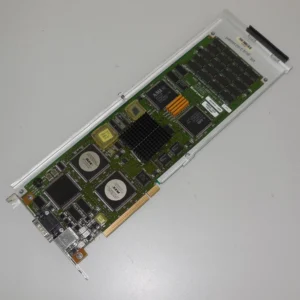
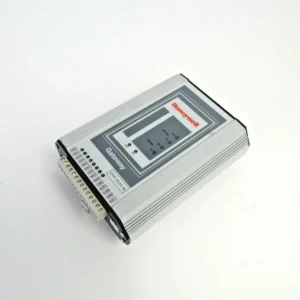
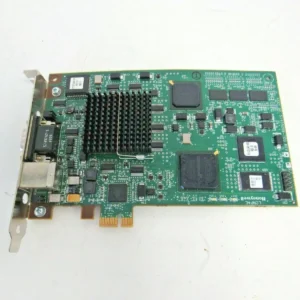
The 51405098-100 REV A FW J is a Local Control Network (LCN) processor or interface card designed to connect Honeywell Experion, TPS, or legacy servers to LCN-based control infrastructure.
This card bridges PC-based operator stations and distributed controllers on the LCN, enabling data acquisition, alarming, and supervisory control in TDC 3000 and TPS environments.
Key Features & Specifications
- LCN connectivity: Hardware connection to Local Control Network using coaxial cabling.
- Processor: Capable microprocessor and RAM for LCN protocol processing and data buffering.
- Memory: Typically 16 MW or higher supporting large node counts and complex data structures.
- Form factor: Half-length PCI or PCIe card for server/workstation integration.
- Time synchronization: GPS time-sync connector for coordinated timing across LCN nodes.
- Node addressing: Configurable LCN address with auto-discovery and conflict resolution.
- Compatibility: Compatible with GUS R110.1+ and legacy TDC 3000/TPS systems.
Typical Applications / Use Cases
LCN processor cards integrate modern PC servers with existing Honeywell distributed control systems.
- Connecting Experion/TPS servers to legacy LCN systems for data acquisition and operator interface without controller replacement.
- Enabling workstations to emulate Universal Stations on LCN, providing modern interfaces to aging infrastructure.
- Bridging communications during phased migrations where modern and legacy systems coexist.
- Supporting GPS-synchronized time coordination for sequence-of-events analysis.
Advantages / Why It Matters
- Investment protection: Upgrade servers while continuing to use installed LCN controllers.
- Improved performance: Newer generations provide higher capacity and memory than earlier versions.
- GPS time synchronization: Critical for precise event logging in regulated industries.
- Backward compatibility: Seamless legacy system integration minimizes engineering effort.